
Please note this is a 2-day event
May 2 & 9, from 10am - 12pm
4 optional CE credits offered
In-Person only, limited to 12 participants
The Presence of the Analyst: Perspectives from Psychoanalysis and Mindfulness
Led by Joe Bobrow, Ph.D.
Mindfulness, originally an ancient Zen Buddhist meditation practice, has been adapted and employed by an increasing number of psychotherapists in their work with individuals, couples, adolescents and children. Many find that psychotherapy and mindfulness interweave, with mindfulness providing qualities such as present-moment awareness and the absence of judgment, to help clients observe thoughts and feelings without getting lost in them, increase self-acceptance, modulate emotions, and open space for new responses. They may enhance therapist connection and resilience, and enhance the therapeutic process with targeted therapies like Mindfulness-Based Cognitive Therapy and Dialectical Behavioral Therapy, integrating mindfulness techniques to treat depression and anxiety.
Psychoanalysis and psychodynamic psychotherapy have their own forms of attentiveness that can open the therapeutic dyad to unseen dimensions of experience not commonly accessible to conscious introspective approaches alone. These include individual and mutual reverie, and unconscious emotional communication in the relational field.
Much has been written on the activity of the psychoanalyst but relatively little on the analyst’s bare presence itself, palpable and nuanced, despite patients’ frequent awareness of it. In this workshop we will explore the analyst’s presence from the perspectives of psychoanalysis and mindfulness and examine how these viewpoints converge, diverge, enrich and challenge one another. The possibility for integrative perspectives, including limitations will also be addressed.
Mindfulness experience is not required. There will be an opportunity to practice guided mindfulness and discuss participants’ experience.
The capacity to bear, transform and grow through a wide range of emotional experiences can be enriched by examining diverse perspectives on deploying attention and cultivating an awareness of presence. An increasing number of patients, including therapists themselves, are practicing mindfulness. Many mindfulness practitioners are coming to analytic therapy for exploration of the unconscious factors in their troubles. Awareness of these overlapping yet distinctive practices and therapeutic traditions can enrich the experience of both patients and therapists and the therapeutic process.

About the Presenter
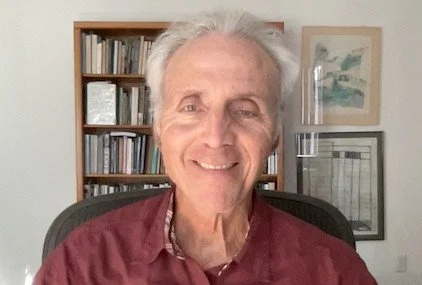
Joseph Bobrow, a teacher, supervisor and training analyst at LAISPS, is also an author and Zen teacher. He has long been creating innovative communities for transforming individual and collective anguish.
His books include Waking Up from War; Zen And Psychotherapy: Partners in Liberation; After Midnight: Collected Poems; and A True Person of No Rank: Awakening Buddha's Dream to Save the World.
Joseph practices psychotherapy and psychoanalysis in Studio City, and teaches widely.
Readings
Readings will be sent in advance by email.
Questions?
Please contact Martha Murillo at martha@laisps.org or 310-440-0333
To maximize the learning experience, class size will be limited, with in-person attendance capped at 12 participants.
Early enrollment is advised to ensure a place and to receive readings in advance by email.
Enrollment closes Wednesday, April 29, 2026.
Course Objectives
Upon completion of this activity participants should be able to:
Describe the features of mindfulness practice and the benefits for patient and therapist well-being.
Discuss the idea of presence and what it has to do with understanding the impacts of the therapist (and patient) on the therapeutic work.
Identify the attentional qualities unique to analytic practice and what they bring to withstanding and alleviating psychic pain.
Formulate possible ways of integrating psychoanalytic and mindfulness attentiveness in the therapeutic hour, and their benefits, challenges and limits.
CE Credit Information
All planners, faculty, staff, and others involved in this activity have reported no relevant financial relationships with companies whose primary business is producing, marketing, selling, re-selling, or distributing healthcare products used by or on patients. This activity has not received any commercial support.
Accreditation Statements:
Psychologists: LAISPS is approved by the American Psychological Association to sponsor continuing education for psychologists. LAISPS maintains responsibility for this program and its content.
Board of Behavioral Sciences: The California Board of Behavioral Sciences accepts APA-approved courses for Continuing Education for LCSW, LMFT, LPCC, and LEP licenses.
Psychiatrists: CME credit will not be offered for this program.
To Earn Credit:
Participants must complete an online evaluation within 2 weeks of completing this CE activity to receive credit.
Attention Psychologists:
Psychologists can earn a maximum of 4 CE credits for this program. Partial credit may not be awarded, based on APA guidelines.
*Clinicians with any other licenses should check with their Licensing Boards to ensure that APA-sponsored programs are accepted for CE credit.
Refunds/Cancellations: Refunds, less a $10 administrative fee, will be made if cancellation notification is phoned or postmarked three (3) business days in advance of this program. There will be no refunds on requests received after the refund deadline. Full refunds are made in the event that LAISPS must cancel this program.
Returned Checks: A $35.00 service charge will be assessed for checks returned by the bank.
Confidentiality: By registering for this educational event, attendees agree to strictly maintain confidentiality of any clinical material shared and will not distribute or convey such confidential material outside of the workshop.